Accessories That Prevent Car Theft Real Solutions That Actually Work
Car accessories
|
March 27, 2026
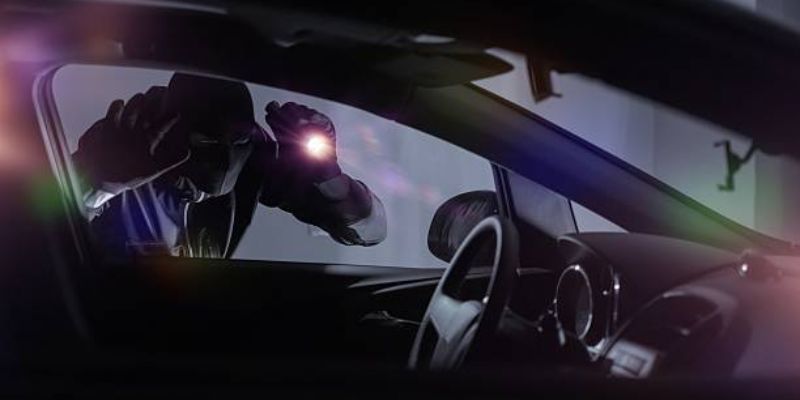
A vehicle is stolen every 32 seconds in the United States. Car theft [1] statistics from 2024 show over 1 million vehicles stolen annually, with recovery rates dropping as thieves use increasingly sophisticated technology to bypass factory security systems.
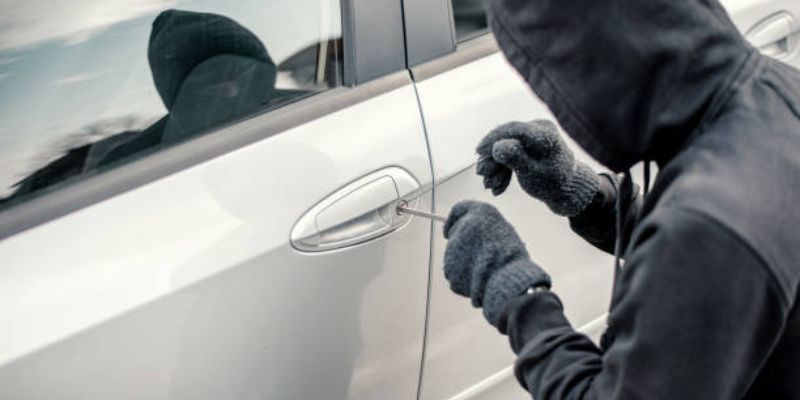
Most modern car theft takes under 60 seconds. Accessories that prevent car theft work by adding physical and electronic barriers that make your vehicle a harder target than the next one in the parking lot.
Steering Wheel Locks
Steering wheel locks fell out of fashion when electronic alarms became popular, but professional car theft investigators consistently recommend them as primary deterrents. The Club 3000 Twin Hooks Steering Wheel Lock costs $46 and installs in seconds. Visible deterrents like this send thieves looking for easier targets immediately.
The psychology behind steering wheel locks matters as much as their physical resistance. A thief casing a parking lot will skip your car for one without a visible lock. That simple decision happens in seconds. Disklok steering wheel covers offer maximum protection at $150 but cover the entire wheel, making tampering nearly impossible.
Budget locks under $20 use thin steel that experienced thieves cut through quickly. The Club and Disklok brands use hardened steel that resists bolt cutters and angle grinders long enough to make theft impractical. Spend the extra money here.
GPS Tracking Devices
GPS trackers don't prevent theft directly but dramatically improve recovery odds. Bouncie GPS Tracker costs $67 upfront plus $8 monthly and provides real-time location updates every 15 seconds. Police recover vehicles faster when owners provide live location data rather than just a license plate number.
The LandAirSea 54 GPS tracker runs about $40 with optional subscription plans starting at $15 monthly. Its magnetic case attaches under wheel wells or inside bumpers without installation. Hiding GPS trackers prevents thieves from finding and disabling them before attempting to sell the vehicle.
Some insurance companies offer premium discounts up to 15% for vehicles equipped with certified GPS tracking. Check with your specific insurer before purchasing since qualifying devices vary by company.
OBD Port Locks
Relay attacks through the OBD diagnostics port now account for a significant portion of modern keyless car theft [2]. Thieves plug small programmers into unprotected OBD ports to clone key fobs and start vehicles within minutes. OBD port locks like the Kia OBD Lock cost $25 and physically block port access.
Universal OBD locks from brands like EyeTrace run approximately $20 and fit most vehicles. They require a physical key to remove, making port access impossible without obvious damage. Installing one takes under a minute and blocks the exact method thieves use to steal newer vehicles with sophisticated electronics.
This solution feels almost too simple for how effective it is. Most people don't know their OBD port exists until they need emissions testing. Thieves absolutely know it exists and exactly what to do with it.
Faraday Pouches
Modern keyless entry vehicles face a specific threat called relay attacks. Two thieves work together: one stands near your home with a signal amplifier while another stands near your car. They amplify your key fob signal sitting inside your house to unlock and start your vehicle without possessing the key.
Faraday pouches block key fob signals completely when fobs sit inside them. Mission Darkness Faraday Pouches cost $13 for a two-pack and block all wireless signals including Bluetooth, WiFi, and RFID. Drop your keys inside when arriving home and relay attacks become physically impossible.
Faraday boxes for home entryways run around $35 and look like regular key bowls. The metal-lined interior blocks all signals. This accessory prevents car theft more effectively than almost anything else for owners of vehicles made after 2015.
Dashcams With Parking Mode
Visible dashcams create psychological deterrence while recording evidence during theft attempts. The Viofo A229 Plus costs $190 and includes front, rear, and interior cameras with parking mode that activates on motion detection. Thieves casing vehicles spot cameras and frequently move to unmonitored targets.
Parking mode requires hardwiring to your fuse box for continuous power but delivers 24-hour surveillance of your parked vehicle. The Garmin Dash Cam 67W at $200 offers similar capabilities with cloud connectivity, allowing remote access to footage from your phone. Evidence recorded during theft attempts helps police identify suspects with actual usable footage.
Camera placement matters. Mount one visibly on the windshield as a deterrent and consider a hidden interior camera for documentation. Dual setups covering both purposes cost around $250 combined but provide comprehensive protection.
Tire and Wheel Locks
Wheel clamp boots prevent vehicles from moving regardless of whether thieves successfully start the engine. The Tevlaphee Universal Wheel Lock costs $45 and fits most passenger vehicle tires. Bright yellow coloring makes them visible from distance, discouraging theft attempts before they begin.
Professional-grade wheel boots used by parking enforcement cost $100 to $200 and resist cutting tools more effectively than consumer versions. For high-value vehicles parked in known theft hotspots, this investment makes practical sense.
Tire valve locknut covers add minor additional security for wheel theft specifically. Chrome alloy wheels get stolen separately from vehicles constantly in urban areas. These $15 covers won't stop determined thieves but add one more step requiring specialized tools.
Kill Switches
Hidden kill switches cut power to fuel pumps, ignition systems, or starters when activated. Even if thieves bypass your key fob and OBD port, a properly installed kill switch [3] leaves them with a car that cranks but never starts. Professional installation costs $150 to $300 depending on vehicle complexity.
Placement secrecy determines effectiveness. Common hiding spots include under dashboards, inside center consoles, and behind factory switch panels. Mechanics install these in genuinely non-obvious locations that blend with existing controls. Telling anyone the location other than trusted household members defeats the purpose entirely.
DIY kill switch kits from Amazon run $30 to $60 in parts. Electrical knowledge matters significantly here since improper installation creates reliability problems that affect your own ability to start the vehicle. Professional installation costs more but provides reliability and proper concealment.
VIN Etching
Etching your Vehicle Identification Number onto windows and major components makes stolen vehicles harder to sell at professional chop shops. The National Insurance Crime Bureau promotes VIN etching as a genuine theft deterrent because chop shop operators avoid vehicles requiring extensive component remarking.
DIY VIN etching kits cost approximately $25 and include stencils plus etching compound. Professional etching services at dealerships run $100 to $200 but cover more surfaces and use deeper etching that resists removal. Some insurers offer small premium discounts for etched vehicles.
This prevention accessory works differently than mechanical locks or electronic devices. It attacks the financial motivation behind professional theft rings rather than physical access. Combined with other accessories, it makes your vehicle significantly less profitable to steal and strip.
Motion-Activated Alarm Upgrades
Factory car alarms trigger too easily on minor vibrations and too rarely on actual break-in attempts. Aftermarket alarm systems with shock sensors, tilt detection, and glass break sensors provide more reliable threat detection. Viper 5706V two-way alarm systems cost approximately $250 installed and include a remote that confirms alarm status.
Two-way remotes notify you when your alarm triggers regardless of distance from your vehicle, unlike factory systems requiring you to hear the siren. Getting a vibration alert on your remote while sitting in a restaurant lets you respond to an actual threat rather than discovering theft after returning to an empty parking spot.
Professional installation runs $150 to $250 beyond the unit cost but ensures sensors trigger correctly. Improperly installed systems either false alarm constantly or fail to detect real intrusions.
Building Layered Protection That Actually Stops Theft
Professional security consultants consistently recommend layered protection over any single solution. Combining a visible steering wheel lock with an OBD port lock, Faraday key pouch, and hidden GPS tracker creates multiple barriers that collectively make your vehicle impractical to steal. Each layer addresses a different theft method used by different types of thieves.
Spend $200 to $400 building your full theft prevention system. Start with a Faraday pouch and OBD port lock for under $40 total since these address the most common current theft methods. Add a steering wheel lock for visible deterrence, then a GPS tracker for recovery capability. Your vehicle becomes statistically unlikely to get targeted when easier options exist nearby.
Car theft accessories that prevent theft pay for themselves the moment they save you from dealing with insurance claims, rental cars, and the genuine stress of losing a vehicle you depend on daily.
References
[1] National Highway Traffic Safety Administration – https://www.nhtsa.gov
[2] Consumer Reports – https://www.consumerreports.org
[3] National Insurance Crime Bureau – https://www.nicb.org
Related Posts

6 Best Dash Cams With Night Vision and Parking Mode in 2026

10 Must-Have Car Accessories for Rainy Season That Actually Keep You Safe

Best Tire Inflators for Cars Portable Air Compressor Review Guide for 2026
Best New Cars for Daily Driving in 2026 Maximum Comfort, Minimum Fuel Costs
Honda CR-V 2026 vs Toyota RAV4 2026 Which Is More Reliable and Cheaper to Own